
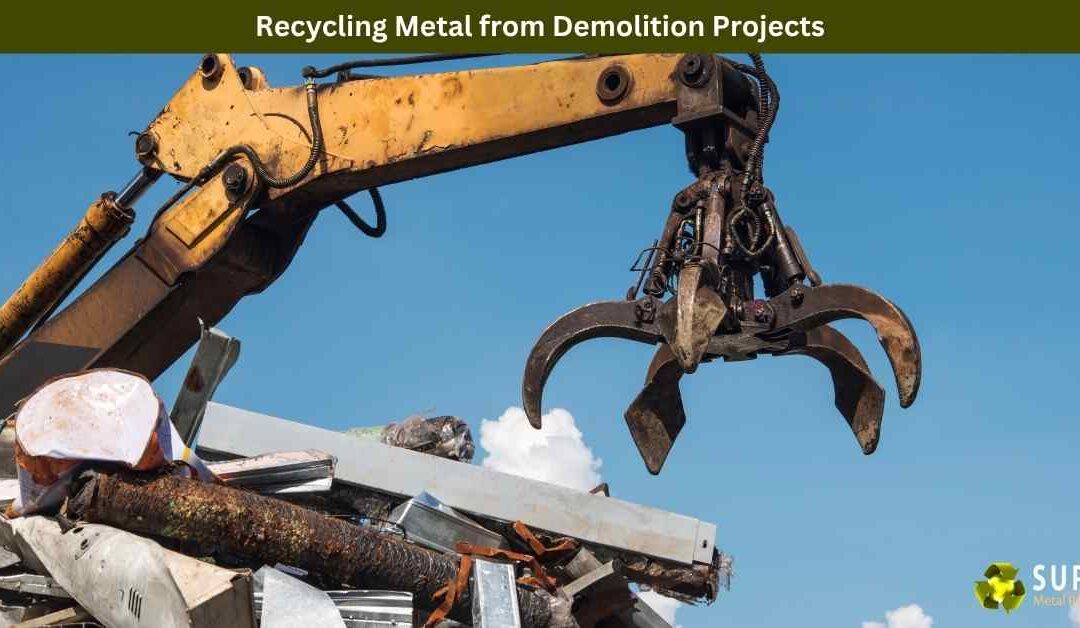
When a building comes down, it’s easy to focus on the rubble, concrete, and dust left behind. But hidden in that debris is something valuable — metal. From steel beams and copper wiring to aluminium frames and pipes, demolition sites are often goldmines for recyclable materials. Recycling metal from these projects isn’t just good for the environment — it’s also a smart way to recover costs and reduce waste.
Here’s how demolition metal recycling works and why it’s becoming a standard part of modern construction projects across Australia.
Why Recycle Metal During Demolition?
Every demolition job produces tonnes of scrap material, and a big chunk of it is metal. Instead of sending it all to landfill, recycling offers major benefits:
- Financial return: Scrap metal can be sold for cash, offsetting demolition costs.
- Environmental protection: Recycling reduces landfill waste and lowers carbon emissions.
- Resource conservation: Recycled metal can be reused in manufacturing, cutting down the need for mining raw materials.
It’s a win for both business and sustainability — less waste, more value.
What Types of Metal Are Found on Demolition Sites?
Demolition projects often uncover a surprising mix of metals, including:
- Steel: Found in structural beams, columns, and reinforcements.
- Aluminium: Used in window frames, roofing, and doors.
- Copper: Common in electrical wiring, plumbing, and air conditioning systems.
- Brass and stainless steel: Often used in fittings, fixtures, and decorative elements.
Sorting these metals properly ensures they can be recycled efficiently and fetch a better price at the yard.
How Is Metal Recycled from Demolition Projects?
The recycling process begins before the first wall even comes down. Most demolition teams now plan material recovery strategies to separate valuable metals early.
Here’s a typical step-by-step approach:
- Site inspection: Assess which materials can be salvaged or recycled.
- Dismantling: Remove reusable metals like copper pipes, wiring, or steel components before heavy machinery starts.
- Sorting and separation: Ferrous (magnetic) metals like steel are separated from non-ferrous metals like aluminium and copper.
- Collection and transport: Sorted metals are loaded for transport to recycling facilities.
- Processing: Metals are cleaned, melted down, and repurposed into raw material for new products.
This careful approach helps reduce contamination and ensures more material is recovered from each project.
The Role of Scrap Metal Recycling in the Construction Industry
Recycling from demolition projects supports a circular economy — where materials are reused instead of wasted. For the construction industry, this means lower costs and reduced environmental impact.
Recycled metals are often used to create:
- New steel beams for building structures
- Aluminium sheets for construction materials
- Rebar for concrete reinforcement
- Components for vehicles and heavy machinery
By feeding recycled metal back into these industries, demolition recycling helps maintain a steady, sustainable supply chain.
How to Maximise the Value of Scrap Metal from Demolition
If you’re managing or working on a demolition project, a few simple steps can make your metal recovery more profitable:
- Plan early: Identify recyclable materials before demolition starts.
- Separate metals on-site: Keep aluminium, copper, and steel apart for better pricing.
- Avoid contamination: Remove concrete, insulation, and non-metal attachments.
- Track market prices: Metal values change regularly, so timing your sale can make a difference.
Working with professional recyclers ensures your scrap is handled properly and recycled in line with environmental regulations.
Environmental Benefits of Recycling Demolition Metal
Recycling metal from demolition sites significantly reduces environmental strain. It:
- Saves large amounts of energy compared to producing new metal.
- Cuts down on mining and resource extraction.
- Reduces greenhouse gas emissions from raw material production.
- Keeps bulky waste out of landfill.
In simple terms, it transforms what would be debris into valuable, reusable resources — helping cities grow sustainably.
Demolition projects may look destructive, but they can actually be a huge part of sustainable construction when handled the right way. Recycling metals like steel, copper, and aluminium doesn’t just put money back in your pocket — it also supports a cleaner environment and a stronger recycling industry. Next time a building comes down, think beyond the debris — there’s real value in every piece of metal waiting to be reused.
If you are in Aspendale, and looking for a metal recycling service, this is the best way to visit us.
Super Metal Recycling
345 Frankston – Dandenong Road, Dandenong South VIC 3175
(03) 9706 4909
Recent Comments