
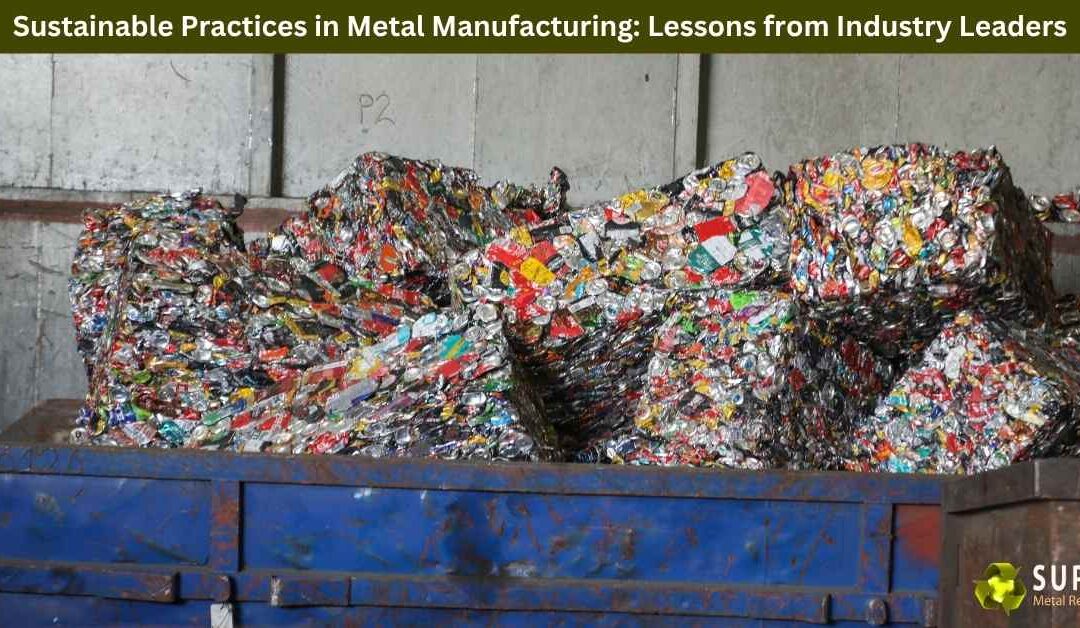
When we talk about sustainability in manufacturing, metal production doesn’t always get the spotlight it deserves. Yet, the metal manufacturing industry has quietly been making some powerful moves toward greener, more responsible practices. It’s not just about reducing emissions anymore—it’s about rethinking processes, embracing innovation, and aligning operations with the principles of the circular economy. The good news? There are some standout leaders paving the way.
Let’s take a look at what sustainable metal manufacturing looks like today—and what lessons we can learn from the best in the business.
What Does Sustainability Look Like in Metal Manufacturing?
Sustainable metal manufacturing isn’t just about using less energy or recycling more materials (though both are crucial). It’s about designing systems that reduce waste at every stage—from mining and production to end-of-life recovery. It’s also about reducing dependency on virgin materials, cutting water usage, and even thinking about worker wellbeing and community impact.
In short, it’s a holistic approach. And while it can sound like a massive challenge, companies across the globe are showing that it’s more than possible.
ArcelorMittal: Leading with Circular Innovation
One of the world’s largest steel producers, ArcelorMittal has been making waves with its XCarb™ initiative—a program focused on producing low-carbon steel using renewable electricity and recycled scrap. Their steelmaking process in Europe has seen increasing integration of electric arc furnaces, which significantly cut carbon emissions compared to traditional blast furnaces.
More than just a production change, the initiative also emphasizes traceability, offering customers transparency on the carbon footprint of the steel they purchase. It’s a smart blend of environmental responsibility and business sense.
Lesson: Innovation paired with transparency builds both trust and impact.
Norsk Hydro: Prioritising Clean Energy and Recycling
Norwegian aluminum giant Norsk Hydro has made sustainability a central part of its identity. They’ve been operating with a strong focus on renewable energy and closed-loop recycling systems. In fact, a large portion of their aluminum is produced using hydropower and comes from post-consumer scrap—creating a significantly lower carbon footprint.
Hydro also invests heavily in research and development, continuously finding ways to produce lighter, stronger aluminum with less environmental cost. One standout is Hydro CIRCAL, a brand of aluminum made with a minimum of 75% recycled content, which has seen wide use in sustainable construction projects.
Lesson: Long-term R&D investment pays off—not just environmentally, but commercially too.
BlueScope Steel: Community and Environmental Stewardship
In Australia, BlueScope Steel has taken an integrated approach to sustainability. They’ve rolled out initiatives targeting energy efficiency, waste minimisation, and even biodiversity. One of their more unique programs is the “Water Sustainability Strategy,” which aims to reduce reliance on freshwater sources through advanced water recycling systems at their Port Kembla site.
On the social side, BlueScope is known for prioritising workforce safety and engaging with local communities. It’s a clear reminder that sustainability isn’t just environmental—it’s social too.
Lesson: Sustainability is strongest when it includes people, not just processes.
The Role of Scrap Metal in Green Manufacturing
A common thread among these industry leaders? Recycling. Specifically, the use of high-quality scrap metal to reduce reliance on virgin resources. Not only does recycling metal use significantly less energy (up to 95% less in some cases), but it also lowers emissions and keeps valuable materials in circulation.
Manufacturers who work closely with reliable scrap metal suppliers—like your local metal recycling company—are able to maintain a consistent feedstock of quality materials while reducing their environmental impact. It’s a win-win.
Why This Matters for the Future
As governments tighten environmental regulations and consumers grow more eco-conscious, sustainability in metal manufacturing isn’t just a nice-to-have—it’s a necessity. Companies that invest in clean technology, efficient systems, and sustainable supply chains are setting themselves up for long-term resilience and relevance.
Whether you’re a manufacturer, a scrap supplier, or simply someone who cares about a more sustainable future, there’s a powerful message in these industry examples: Real change is possible, and it’s already happening.
Looking Ahead
The journey to greener metal manufacturing is far from over—but we’re on the right path. By following the lead of forward-thinking companies and integrating smart recycling solutions into our operations, the metal industry can continue to thrive without compromising the planet.
If you’re part of the manufacturing supply chain—or interested in sourcing sustainable metal solutions—we’re here to help make that journey easier, one recycled piece at a time.
If you are in Doveton, and looking for a metal recycling service, this is the best way to visit us.
Super Metal Recycling
345 Frankston – Dandenong Road, Dandenong South VIC 3175
(03) 9706 4909
Recent Comments