
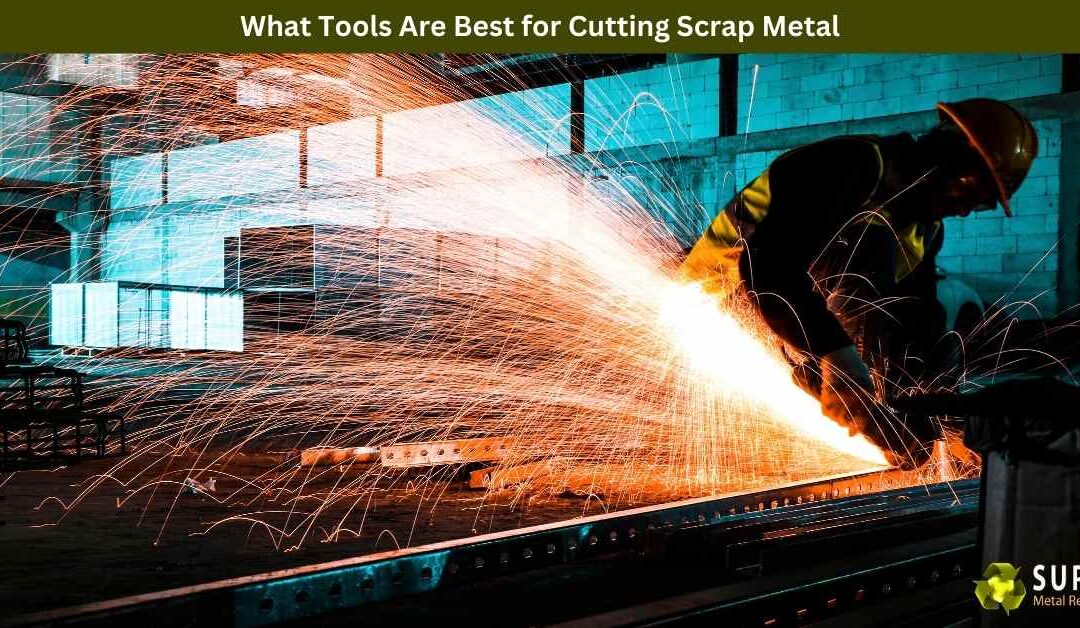
Working with scrap metal—whether you’re dismantling old appliances, cars, or construction materials—requires the right tools. Using the correct equipment not only makes the job easier and faster but also keeps you safe. But with so many options available, it can be tricky to know where to start. Let’s break down the best tools for cutting scrap metal and how to use them effectively.
Why Choosing the Right Tool Matters
Scrap metal comes in all shapes, sizes, and thicknesses. From thin aluminium sheets to thick steel beams, each type requires a different approach. Using the wrong tool can be dangerous, damage the metal, or even slow down the work.
A good set of cutting tools helps you:
- Work efficiently and safely.
- Produce clean cuts for easier recycling or reuse.
- Reduce fatigue and the risk of accidents.
1. Angle Grinder
The angle grinder is one of the most versatile tools for cutting metal. With the right disc, it can handle:
- Steel rods, pipes, and sheets.
- Aluminium and copper components.
- Small automotive parts and frames.
Tips:
- Use a metal-cutting disc, not a masonry disc.
- Wear protective gear, including gloves, goggles, and a face shield.
- Secure the metal before cutting to prevent movement.
Angle grinders are great for both straight and curved cuts, making them a staple in any metal recycling or DIY setup.
2. Hacksaw
For smaller jobs or thin metal pieces, a hacksaw is a simple, effective tool. It’s inexpensive, easy to use, and doesn’t require electricity.
Best for:
- Cutting thin pipes, rods, or brackets.
- Situations where power tools aren’t practical.
Tips:
- Use a blade suitable for metal, typically with fine teeth.
- Keep steady pressure and move the saw evenly back and forth for a clean cut.
While slower than power tools, hacksaws are reliable for precise cuts and lighter scrap work.
3. Metal Shears
Metal shears, including hand-operated and powered versions, are ideal for cutting sheet metal.
Advantages:
- Produces clean, straight cuts.
- Minimal sparks and mess compared to grinding or torch cutting.
- Can handle various thicknesses depending on the shear type.
Tips:
- For thick steel, use powered shears or a hydraulic model.
- Always measure and mark the cut line before starting.
Sheet metal from appliances or vehicles is much easier to process with shears than trying to hack through with a saw or grinder.
4. Plasma Cutter
For heavy-duty or industrial scrap, a plasma cutter is one of the fastest and most efficient options. It uses ionised gas to slice through thick metal with precision.
Best for:
- Steel beams, frames, or large machinery.
- Cutting intricate shapes or patterns in scrap metal.
Tips:
- Requires training and proper safety equipment, including a welding mask.
- Works best on metals that conduct electricity, like steel and aluminium.
Plasma cutters are a professional-grade tool, but for those working with large volumes of scrap, they can save hours of manual labour.
5. Oxy-Acetylene Torch
Another option for heavy metal cutting is the oxy-acetylene torch. This tool uses a mix of oxygen and acetylene gas to burn through metal.
Advantages:
- Can cut very thick steel.
- Portable for work sites without electricity.
Tips:
- Only use with proper training and safety gear.
- Best for rough cuts rather than precision work.
This method is common in automotive and industrial scrap yards for dismantling large machinery or vehicles.
Safety First
No matter which tool you use, safety is the priority. Always:
- Wear protective gear: gloves, goggles, face shield, and sturdy clothing.
- Secure metal pieces firmly before cutting.
- Work in a well-ventilated area to avoid fumes and sparks.
- Keep a fire extinguisher nearby, especially when using torches or grinders.
Following safety protocols not only protects you but also makes the job more efficient and less stressful.
Cutting scrap metal doesn’t have to be difficult or dangerous if you use the right tools. From angle grinders and hacksaws to plasma cutters and oxy-acetylene torches, each tool has its place depending on the size and type of metal you’re working with. With the proper equipment and safety measures, even the toughest scrap can be transformed into reusable, valuable materials.
If you are in Hampton, and looking for a metal recycling service, this is the best way to visit us.
Super Metal Recycling
345 Frankston – Dandenong Road, Dandenong South VIC 3175
(03) 9706 4909
Recent Comments